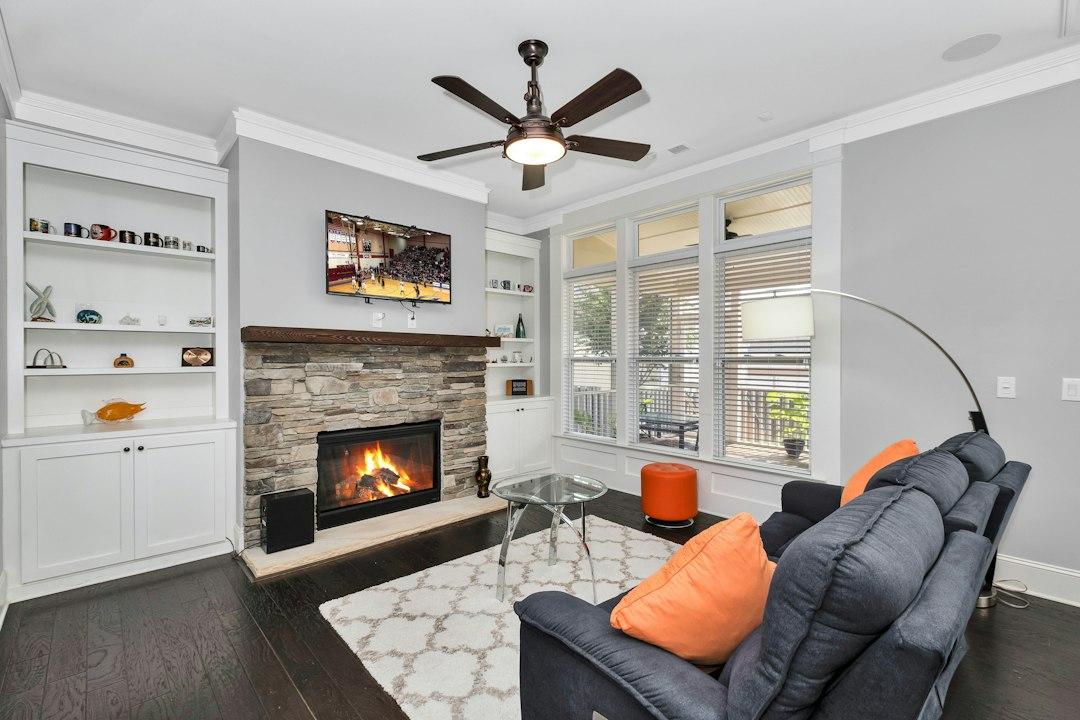
The stove usually tells you first
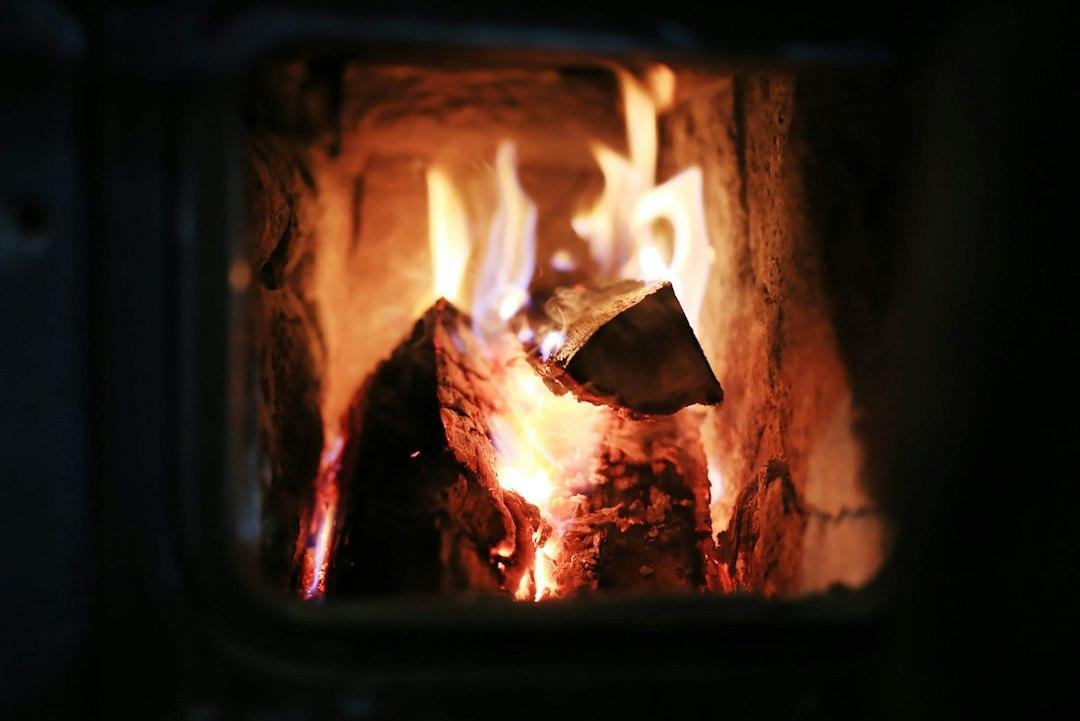
Anyone who burns through a South Bay winter knows the signs before they know the cause. The fire takes longer to catch. The glass goes brown by the second load. The room smells of smoke when you open the door to add a split. Or the stove runs away from you, roaring with the air control shut, because air is getting in somewhere it should not.
Each of those points at a part, and the part decides the bill. We do wood stove repair in Lomita, Torrance, Carson and Hawthorne, and most of the calls come down to a short list of worn pieces.
The parts that wear out on a working stove
- Door and glass seals. The rope that seals the door goes hard and thin after a few winters. Air slips past it, the fire burns hotter than you set it, and the woodpile shrinks faster than it should.
- Firebrick. The brick lining the firebox takes the knock from every log dropped in. Cracked brick still works for a while; brick with pieces missing lets heat reach the steel behind it.
- Baffle and burn tubes. On newer EPA stoves the baffle board and the steel tubes above the fire burn the smoke a second time. A baffle that has sagged or split sends that smoke straight up the pipe, which means more creosote and dirtier glass.
- Catalytic combustor. Stoves built with a catalyst lose their slow, clean burn as it clogs or crumbles. When a stove that used to tick over for hours now needs feeding constantly, the combustor is often why.
- Air controls and latches. Linkages seize, latches wear, and a door that will not pull tight is a door that leaks.
- The connector pipe. The black pipe between the stove and the chimney rusts from the inside, faster when the wood is wet. Thin, flaking pipe is a fire risk, not a cosmetic one.
What decides the price of the repair
Stove repairs have no flat figure on this site, and for good reason. A door seal on a common stove is a short job with a part we can get easily. A combustor for an older model may have to be ordered, and a cracked steel firebox may not be worth fixing at all. What moves the number:
- The make and model, and whether parts for it are still made.
- Which parts are worn, and how many. Doing the seal, the brick and the baffle on one visit costs less than three separate trips.
- Whether the stove has to come off the hearth to reach the work.
- What the pipe and the chimney behind it look like. A new baffle does little if the flue is half full of tar.
We look the stove over, light it if that is safe, and give you a written price for the repair before any part is ordered. If the chimney needs attention as well, it goes on the same page, so you see the whole bill at once.
The figures we do publish
Two jobs often travel with a stove repair, and both have a set price with us:
| Work | Price |
|---|---|
| Brushing the flue and connector, stove to cap | from $415 |
| Stove, pipe and chimney looked over without the camera (Level 1) | $54 |
| Camera run up the whole flue, with video (Level 2) | $390 |
The camera earns its fee when the stove has been running dirty for a while, after a chimney fire, or when you have just bought a house with a stove somebody else put in.
Tell us the make and model of the stove and what it is doing through the quote form, and we will come back to you with what the visit would cover and a figure for it.
Repair, or time for a new stove?
Most stoves are worth repairing. A heavy steel or cast iron box will outlast several sets of seals, bricks and baffles. The cases where we suggest replacing instead:
- The firebox steel has cracked through, or warped so the door no longer meets the frame.
- A cast iron stove has a crack across one of its main plates.
- The stove is an old model with no secondary burn, parts are gone, and the owner wants something that burns cleaner.
When we say a stove is not worth fixing, we show you the crack or the warp and explain why. The decision stays with you.
How burn habits show up on the repair bill
A stove fed dry, split oak in Lomita can go years between repairs. The same stove fed fresh cut eucalyptus from a neighbor's tree, and shut right down overnight, will need its glass scrubbed every week, its pipe replaced early and its flue brushed more often. Wet wood burns cool and leaves tar on everything the smoke touches. A fire left to smolder with the air closed makes it worse.
So every stove visit with us comes with a few questions about the wood: where it came from, how long it has been stacked, and how the stove is run at night. The answers often explain the repair, and changing them is the cheapest way to avoid the next one. A split that hisses and bubbles at its ends when it hits the coals is not ready to burn.
If your stove is due for a sweep as well, our post on sweep prices for wood burners covers what changes that figure.
Before you call
It helps to know the brand and model, usually on a plate at the back or under the ash lip. It helps to know roughly when the flue was last brushed, and whether the trouble came on suddenly or crept in over a season. None of that is required; we can find it on the visit.
When the fire stops behaving the way it used to, go to our contact page and tell us about the stove. We will set a time to come out and look at it.
Stove Not Burning the Way It Should?
Latimer repairs wood and pellet stoves, sweeps the flues behind them and fixes the chimneys they vent through. Most of our work is in Lomita, Torrance, Carson and Hawthorne, with the rest of the South Bay close behind.